American Kava Growers

Demonstrate your commitment to quality by growing and selling certified American Kava™ and Pacific Kava™. Learn how these Geographical Indicators can increase buyer confidence while supporting your local farmers.

Wholesale - Retail - Kava Bar

Learn how American Kava™ and Pacific Kava™ GI’s benefit both your business and its patrons in numerous ways

Consumer

This is for you if you are an avid drinker of Kava and want to be a part of the shaping the positive future of the American Kava Culture while supporting American Grown Kava

The American Kava Association is the first national trade association that is focused primarily on Kava and serves as  the official certifying body for the geographical indicators of quality for American Kava™ and Pacific Kava™

Our Mission

Kava, the traditional beverage with over 3,000 years of cultural significance in the South Pacific, is experiencing a powerful global resurgence. As awareness of its calming and social benefits grows, cultivation has expanded beyond its native islands into new regions including parts of the United States such as Florida and the Pacific Coast of California.

This expansion has created the need for a dedicated American certifying body to ensure that the unique qualities, safety, and cultural integrity of Kava are preserved in this new agricultural context. The American Kava Association (AKA) was formed in 2014 to oversee the responsible distribution of kava in North America and is proud to fulfill this role. As the official certifying body for “American Kava™” and California-grown “Pacific Kava™”,  the AKA oversees standards for sustainable cultivation, post-harvest practices, and quality assurance for domestically grown Kava.

All activities of the American Kava Association are focused on advancing the responsible development of a distinctly American Kava Growers industry, one that honors the plant’s traditional roots while embracing the innovation and agricultural potential of its new home.

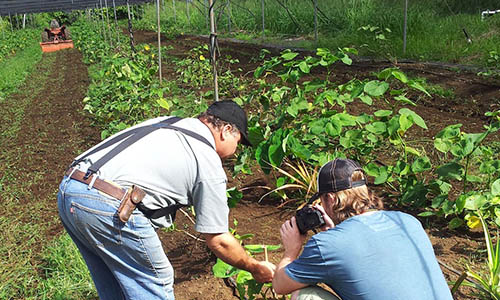
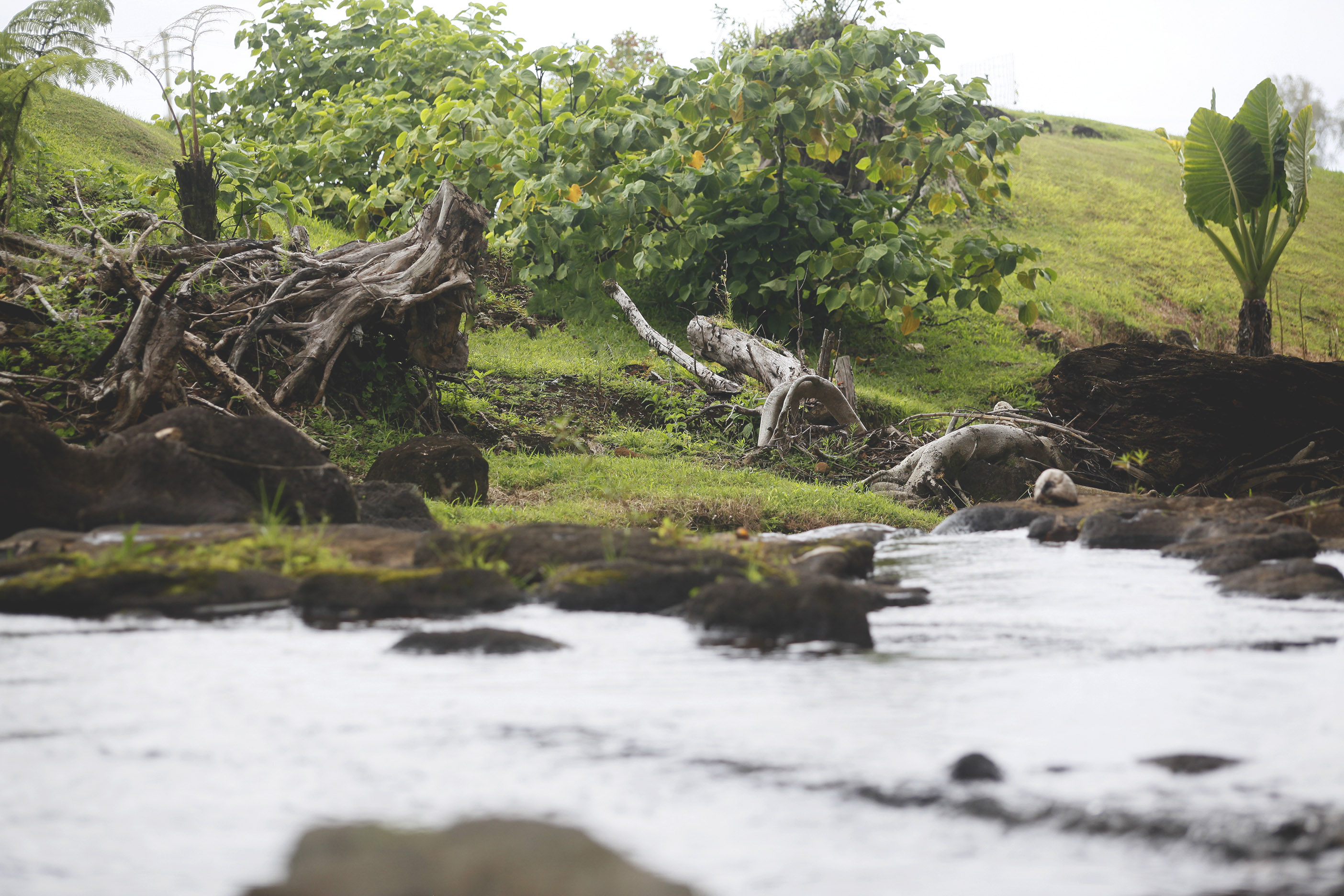
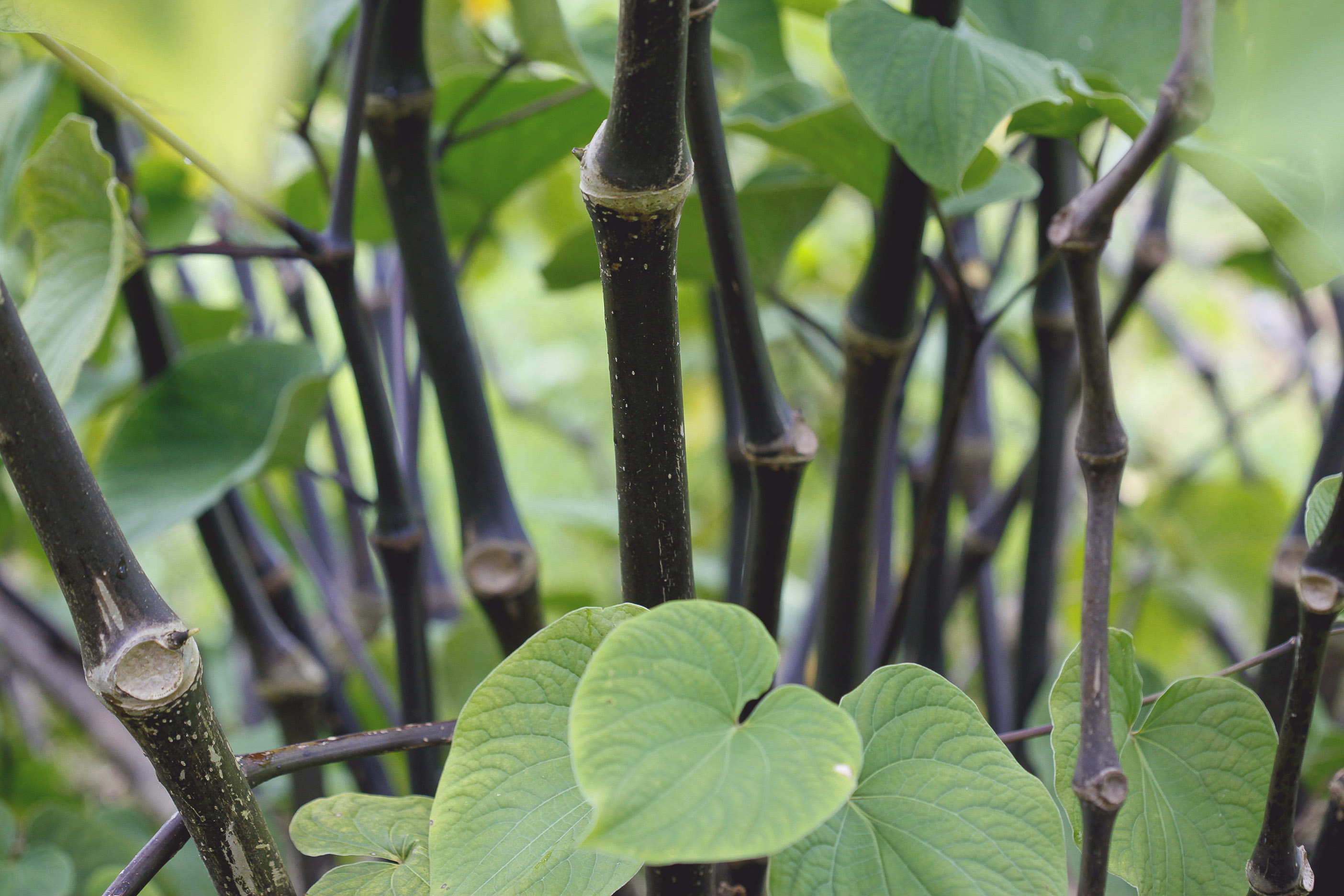
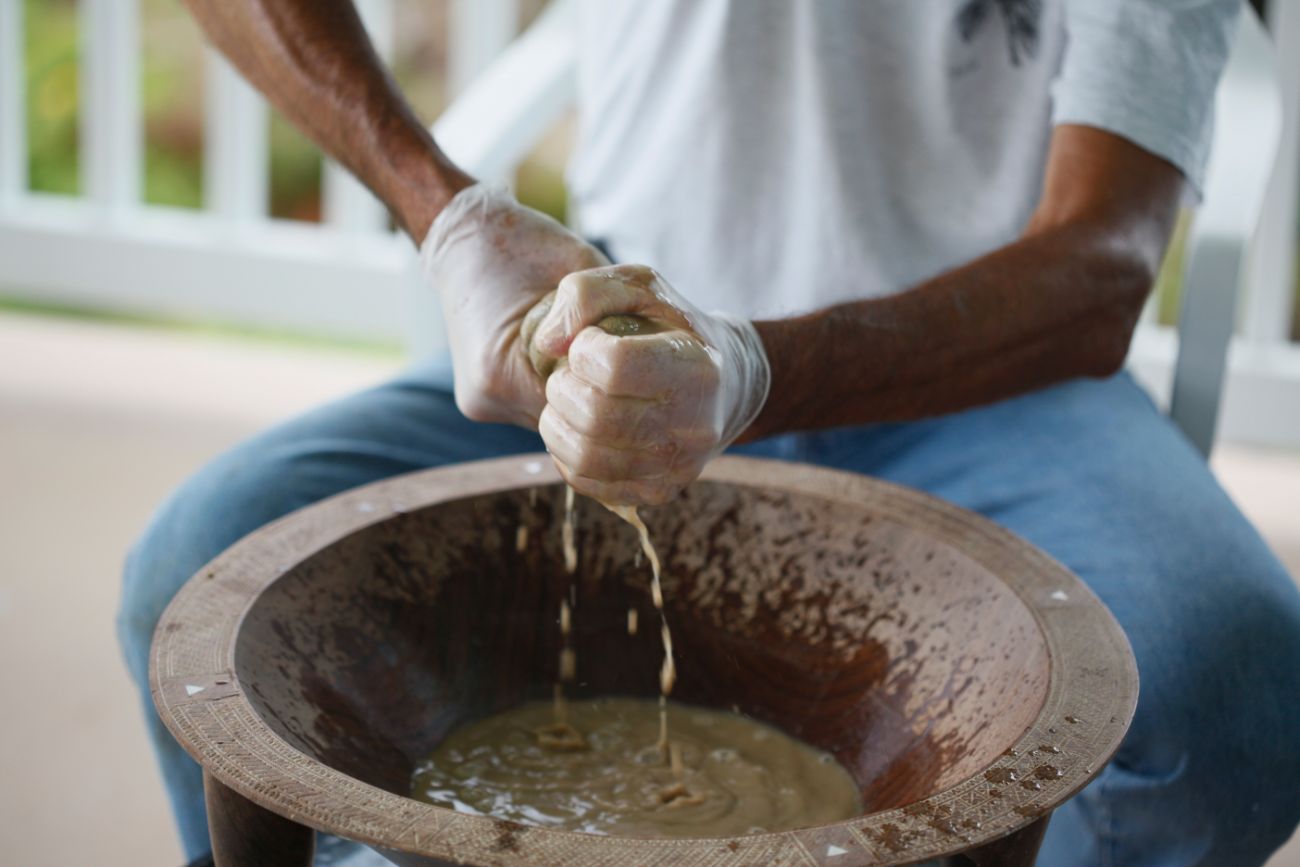
Tour an AKA Certified American Kava™ Farm

For thousands of years, kava has been cultivated and prepared using time-honored traditional methods in the South Pacific. Today, as the global demand for kava increases, so does the importance of transparency, quality assurance, and traceability. In this article, we highlight an American Kava Association (AKA) certified farm that honors traditional growing and processing techniques while meeting the rigorous quality control standards set by the AKA. From cultivation to post-harvest handling, to laboratory testing,  this farm ensures that every step meets strict guidelines for purity, safety, and sustainability, so you can be confident that what’s in your shell is clean, authentic, and responsibly produced.

The Farm

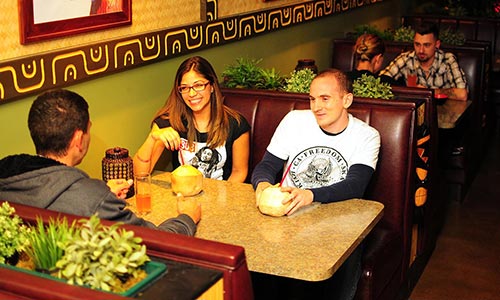
Tour a Kava Bar that serves AKA certified Pacific Kava™

Pacific Kava is a recognized geographical indicator for kava grown along California’s Pacific Coast. As a certified subset of American Kava, Pacific Kava represents a locally cultivated product that reflects the rich agricultural heritage and unique microclimates of the state.

California’s coastal regions are renowned for producing specialty crops like avocados, wine grapes, and coffee—now joined by kava, thanks to ideal growing conditions that mirror some of the plant’s native environments. This microclimatic advantage contributes to the distinct character of Pacific Kava, setting it apart in flavor, chemotype, and purity.

The emergence of Pacific Kava also aligns with California’s vibrant Pacific Islander communities. The state is home to the largest population of Fijians outside of Fiji, as well as significant communities of Hawaiians, Tongans, and Samoans—particularly in Southern California and the Bay Area. With a dense network of kava bars and a culturally rooted demand for high-quality kava, Pacific Kava offers a locally grown, culturally relevant alternative that supports both the traditions and the future of the kava movement in America.

The Bar

©2025 American Kava Association

Log in with your credentials

Forgot your details?